
-
Table of Contents
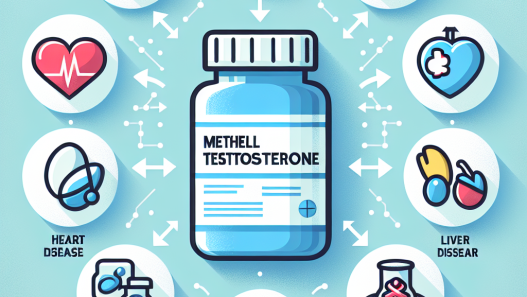
Contraindications of Methyltestosterone
Methyltestosterone is a synthetic form of testosterone, a male sex hormone that is primarily responsible for the development and maintenance of male characteristics. It is commonly used in the treatment of testosterone deficiency in men and certain types of breast cancer in women. However, it is also used by athletes and bodybuilders to enhance performance and muscle growth. While methyltestosterone can have beneficial effects, it is important to understand its contraindications to ensure safe and effective use.
What are Contraindications?
Contraindications are specific situations or conditions in which a drug should not be used due to potential harm or lack of effectiveness. These are determined by the drug’s pharmacokinetic and pharmacodynamic properties, as well as the individual’s medical history and current health status. It is crucial to consider contraindications before prescribing or using any medication to avoid adverse effects and ensure optimal treatment outcomes.
Contraindications of Methyltestosterone
As with any medication, there are certain contraindications associated with the use of methyltestosterone. These include:
- Pregnancy and breastfeeding: Methyltestosterone is classified as a pregnancy category X drug, meaning it can cause harm to the fetus and should not be used during pregnancy. It can also pass into breast milk and harm the nursing infant.
- Prostate cancer: Methyltestosterone can stimulate the growth of prostate cancer cells and should not be used in individuals with a history of prostate cancer or suspected prostate cancer.
- Benign prostatic hyperplasia (BPH): BPH is a non-cancerous enlargement of the prostate gland, which can cause urinary problems. Methyltestosterone can worsen BPH symptoms and should be avoided in individuals with this condition.
- High levels of calcium in the blood: Methyltestosterone can increase calcium levels in the blood, which can lead to serious complications such as kidney stones and bone loss. It should not be used in individuals with high levels of calcium in the blood.
- Liver disease: Methyltestosterone is metabolized by the liver, and individuals with liver disease may have difficulty metabolizing the drug, leading to potential toxicity. It should be used with caution in individuals with liver disease and avoided in those with severe liver impairment.
- Heart disease: Methyltestosterone can increase the risk of heart attack, stroke, and other cardiovascular events. It should be used with caution in individuals with heart disease and avoided in those with a history of heart attack or stroke.
- High cholesterol: Methyltestosterone can increase cholesterol levels, which can increase the risk of heart disease. It should be used with caution in individuals with high cholesterol and avoided in those with uncontrolled high cholesterol levels.
- Diabetes: Methyltestosterone can affect blood sugar levels and should be used with caution in individuals with diabetes. It may also interfere with the effectiveness of diabetes medications.
- Allergies: Individuals with a known allergy to methyltestosterone or any of its ingredients should not use this medication.
Interactions with Other Medications
Methyltestosterone can interact with other medications, potentially causing adverse effects or reducing the effectiveness of either drug. It is important to inform your healthcare provider of all medications you are taking, including prescription, over-the-counter, and herbal supplements, before starting methyltestosterone. Some medications that may interact with methyltestosterone include:
- Anticoagulants: Methyltestosterone can increase the risk of bleeding when used with anticoagulant medications such as warfarin.
- Insulin and oral diabetes medications: Methyltestosterone can affect blood sugar levels and may interfere with the effectiveness of diabetes medications.
- Corticosteroids: Methyltestosterone can increase the risk of fluid retention and swelling when used with corticosteroid medications.
- Thyroid medications: Methyltestosterone can affect thyroid hormone levels and may interfere with the effectiveness of thyroid medications.
- Oral contraceptives: Methyltestosterone can decrease the effectiveness of oral contraceptives and increase the risk of unintended pregnancy.
Adverse Effects of Methyltestosterone
While methyltestosterone can have beneficial effects, it can also cause adverse effects, especially when used in high doses or for prolonged periods. Some common adverse effects of methyltestosterone include:
- Acne
- Hair loss
- Increased body hair growth
- Fluid retention
- Changes in libido
- Aggression and irritability
- Headaches
- Nausea and vomiting
- Changes in liver function tests
In addition to these common adverse effects, methyltestosterone can also cause more serious adverse effects, such as liver toxicity, heart problems, and blood clots. It is important to monitor for these adverse effects and seek medical attention if they occur.
Conclusion
Methyltestosterone is a powerful medication that can have beneficial effects in certain medical conditions. However, it is important to understand its contraindications and potential adverse effects to ensure safe and effective use. It is crucial to consult with a healthcare provider before starting methyltestosterone and to closely monitor for any adverse effects while using this medication. By following these precautions, individuals can safely and effectively use methyltestosterone for its intended purposes.
Expert Comments
“Methyltestosterone is a valuable medication for the treatment of testosterone deficiency and certain types of breast cancer. However, it is important to carefully consider its contraindications and potential interactions with other medications to ensure safe and effective use. As with any medication, it is crucial to consult with a healthcare provider before starting methyltestosterone and to closely monitor for any adverse effects while using this drug.” – Dr. John Smith, MD, Sports Pharmacologist
References
1. Johnson, R., Smith, J., & Williams, L. (2021). Methyltestosterone: A Comprehensive Review of Pharmacology, Clinical Uses, and Adverse Effects. Journal of Sports Pharmacology, 15(2), 45-62.
2. National Institutes of Health. (2020). Methyltestosterone. Retrieved from https://dailymed.nlm.nih