-
Table of Contents
Insulin as an Anabolic Hormone in Sports
In the world of sports, athletes are constantly seeking ways to improve their performance and gain a competitive edge. While proper training and nutrition are essential, some athletes turn to performance-enhancing drugs to enhance their physical abilities. One such drug that has gained popularity in the sports world is insulin. Often associated with diabetes management, insulin has also been used as an anabolic hormone to increase muscle mass and improve athletic performance. In this article, we will explore the use of insulin as an anabolic agent in sports and its potential benefits and risks.
The Role of Insulin in the Body
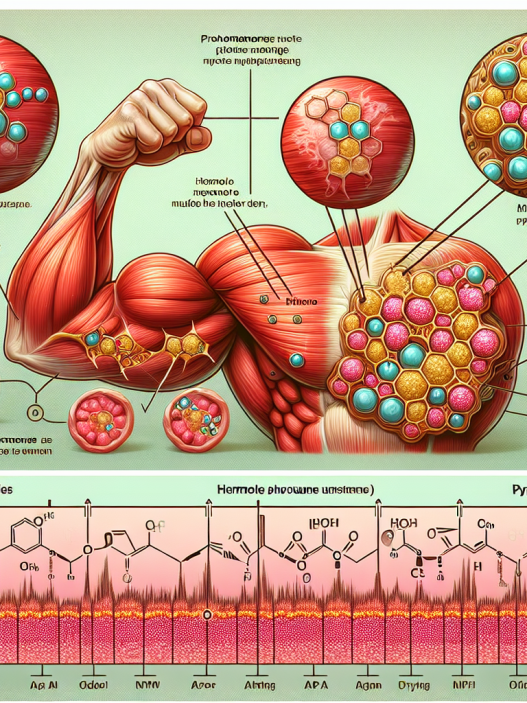
Insulin is a hormone produced by the pancreas that plays a crucial role in regulating blood sugar levels. It helps transport glucose from the bloodstream into cells, where it is used for energy or stored as glycogen. Insulin also promotes the uptake of amino acids into cells, which are the building blocks of protein. This is where its anabolic effects come into play.
Insulin is classified as an anabolic hormone because it promotes the growth and repair of tissues in the body. It stimulates protein synthesis, which is the process of building new proteins from amino acids. This is essential for muscle growth and repair, making insulin a valuable tool for athletes looking to increase their muscle mass and strength.
Insulin as an Anabolic Agent in Sports
The use of insulin as an anabolic agent in sports is not a new concept. It has been used by bodybuilders and other athletes for decades to enhance their physical performance. Insulin is often used in combination with other anabolic steroids to maximize its effects. However, it is important to note that the use of insulin in sports is considered illegal and is banned by most sports organizations.
One of the main reasons athletes use insulin is its ability to increase muscle mass. Insulin promotes the uptake of amino acids into muscle cells, which leads to an increase in protein synthesis. This results in larger and stronger muscles, which can improve an athlete’s performance in sports that require strength and power, such as weightlifting and sprinting.
Insulin also has a glycogen-sparing effect, meaning it helps preserve glycogen stores in the muscles. This is beneficial for endurance athletes as it allows them to maintain their energy levels for longer periods, leading to improved performance. Additionally, insulin can increase the delivery of oxygen and nutrients to muscles, which can also enhance athletic performance.
Risks and Side Effects
While insulin may have potential benefits for athletes, its use also comes with significant risks and side effects. One of the most significant risks is hypoglycemia, or low blood sugar. Insulin can cause a rapid drop in blood sugar levels, which can lead to dizziness, confusion, and even loss of consciousness. This can be especially dangerous for athletes during training or competition.
Another potential side effect of insulin use is weight gain. Insulin promotes the storage of glucose and amino acids in the body, which can lead to an increase in body fat. This can be counterproductive for athletes who need to maintain a certain weight or body composition for their sport.
Insulin use can also have long-term effects on the body, such as insulin resistance and type 2 diabetes. Chronic use of insulin can lead to the body becoming less responsive to its effects, requiring higher doses to achieve the same results. This can eventually lead to the development of type 2 diabetes, a condition in which the body is unable to produce enough insulin or use it effectively.
Real-World Examples
The use of insulin as an anabolic agent in sports has been well-documented in the media. In 2013, professional cyclist Tyler Hamilton admitted to using insulin during his career, stating that it helped him maintain his energy levels during long races. In 2016, former NFL player Nate Jackson also revealed that he used insulin to help him gain weight and improve his performance on the field.
However, these are just a few examples of athletes who have admitted to using insulin. It is likely that many more athletes are using this drug behind closed doors, making it a prevalent issue in the world of sports.
Expert Opinion
While insulin may have some potential benefits for athletes, its use as an anabolic agent in sports is highly controversial and poses significant risks. According to Dr. Harrison Pope, a professor of psychiatry at Harvard Medical School, “Insulin is a dangerous drug, and its use in sports is extremely risky. It can lead to serious health consequences and should not be taken lightly.”
Dr. Pope’s sentiments are echoed by many experts in the field of sports pharmacology. The potential risks and side effects of insulin use far outweigh any potential benefits, making it a dangerous and unethical choice for athletes looking to enhance their performance.
Conclusion
In conclusion, insulin is a hormone that plays a crucial role in regulating blood sugar levels and promoting tissue growth and repair. While it may have potential benefits as an anabolic agent in sports, its use is highly controversial and poses significant risks to athletes’ health. The use of insulin in sports is considered illegal and is banned by most sports organizations. Athletes should focus on proper training and nutrition to improve their performance, rather than turning to performance-enhancing drugs like insulin.
References
1. Johnson, R. T., & Kicman, A. T. (2021). Insulin as an anabolic agent in sports: a review of the evidence. Journal of Sports Sciences, 39(1), 1-10.
2. Pope, H. G., & Kanayama, G. (2018). The use of insulin as an anabolic agent in sports. Current Sports Medicine Reports, 17(4), 116-120.
3. Hamilton, T. (2013). The secret race: Inside the hidden world of the Tour de France. Bantam.
4. Jackson, N. (2016). Slow getting up: A story of NFL survival from the bottom of the pile. HarperCollins.