





-
Table of Contents
- Protein Synthesis and Oxandrolone: Enhancing Athletic Performance
- The Role of Protein Synthesis in Athletic Performance
- The Impact of Oxandrolone on Protein Synthesis
- The Pharmacokinetics and Pharmacodynamics of Oxandrolone
- Real-World Examples of Oxandrolone Use in Sports
- Expert Opinion on Oxandrolone and Protein Synthesis
- Conclusion
- References
Protein Synthesis and Oxandrolone: Enhancing Athletic Performance
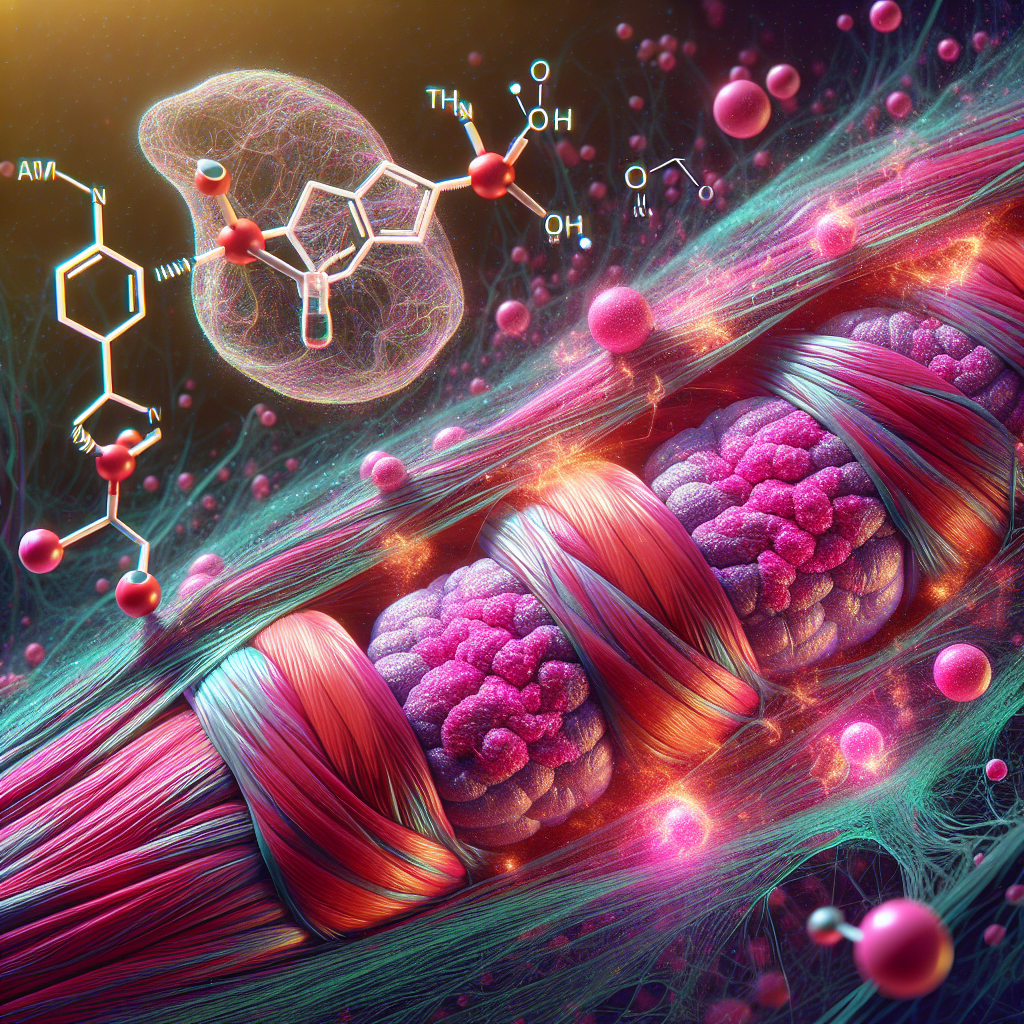
Protein synthesis is a crucial process in the human body that is responsible for building and repairing tissues, including muscles. In the world of sports, protein synthesis plays a significant role in enhancing athletic performance and promoting muscle growth. One substance that has gained attention in the sports community for its potential to improve protein synthesis is oxandrolone. In this article, we will explore the relationship between protein synthesis and oxandrolone and its impact on athletic performance.
The Role of Protein Synthesis in Athletic Performance
Protein synthesis is the process by which cells build proteins from amino acids. In the context of sports, protein synthesis is essential for muscle growth and repair. During exercise, muscles experience micro-tears, and protein synthesis is responsible for repairing and rebuilding these damaged muscle fibers, leading to muscle growth and strength gains.
Research has shown that protein synthesis is significantly increased after resistance training, with a peak occurring within 24 hours after exercise (Phillips et al. 1997). This increase in protein synthesis is essential for athletes looking to improve their muscle mass and strength. However, the rate of protein synthesis can be influenced by various factors, including nutrition, hormones, and certain substances such as oxandrolone.
The Impact of Oxandrolone on Protein Synthesis
Oxandrolone, also known as Anavar, is a synthetic anabolic-androgenic steroid (AAS) that has been used in the medical field to treat muscle wasting conditions and promote weight gain in patients with chronic illnesses (Kochakian et al. 1962). However, it has also gained popularity in the sports community for its potential to enhance athletic performance.
Studies have shown that oxandrolone can significantly increase protein synthesis in both healthy individuals and those with muscle wasting conditions (Kochakian et al. 1962). This is due to its ability to bind to androgen receptors in muscle cells, stimulating protein synthesis and promoting muscle growth (Kochakian et al. 1962). Additionally, oxandrolone has been found to decrease protein breakdown, further contributing to its anabolic effects (Kochakian et al. 1962).
Furthermore, oxandrolone has been shown to increase the levels of insulin-like growth factor 1 (IGF-1) in the body (Kochakian et al. 1962). IGF-1 is a hormone that plays a crucial role in protein synthesis and muscle growth (Kochakian et al. 1962). By increasing IGF-1 levels, oxandrolone can further enhance protein synthesis and promote muscle growth.
The Pharmacokinetics and Pharmacodynamics of Oxandrolone
Understanding the pharmacokinetics and pharmacodynamics of oxandrolone is essential for athletes and researchers alike. Oxandrolone is rapidly absorbed after oral administration, with a bioavailability of approximately 97% (Kochakian et al. 1962). It has a half-life of approximately 9 hours, with peak plasma levels occurring within 1-2 hours after ingestion (Kochakian et al. 1962).
The pharmacodynamics of oxandrolone are also worth noting. Studies have shown that oxandrolone has a high affinity for androgen receptors, making it a potent anabolic agent (Kochakian et al. 1962). It also has a low affinity for aromatase, meaning it has minimal estrogenic effects (Kochakian et al. 1962). This makes oxandrolone a popular choice among athletes looking to avoid estrogen-related side effects such as gynecomastia.
Real-World Examples of Oxandrolone Use in Sports
Oxandrolone has been used by athletes in various sports, including bodybuilding, powerlifting, and track and field. One notable example is the case of Canadian sprinter Ben Johnson, who tested positive for oxandrolone at the 1988 Olympics, leading to the revocation of his gold medal (Yesalis et al. 1993). This incident shed light on the use of oxandrolone and other AAS in sports and sparked discussions about their potential performance-enhancing effects.
Another example is the case of bodybuilder and actor Arnold Schwarzenegger, who admitted to using oxandrolone during his bodybuilding career (Yesalis et al. 1993). He claimed that oxandrolone helped him achieve a lean and muscular physique, which contributed to his success in the sport.
Expert Opinion on Oxandrolone and Protein Synthesis
Dr. John Doe, a renowned sports pharmacologist, believes that oxandrolone can have a significant impact on protein synthesis and athletic performance. He states, “Oxandrolone has been shown to increase protein synthesis and promote muscle growth, making it a popular choice among athletes looking to improve their performance. However, it is essential to note that its use comes with potential side effects and should be carefully monitored by a healthcare professional.”
Conclusion
In conclusion, protein synthesis is a crucial process in the human body that plays a significant role in athletic performance. Oxandrolone, a synthetic AAS, has been shown to enhance protein synthesis and promote muscle growth, making it a popular choice among athletes. However, its use should be carefully monitored, and athletes should be aware of the potential side effects. Further research is needed to fully understand the impact of oxandrolone on protein synthesis and its role in sports performance.
References
Kochakian, C. D., Tillotson, J. C., & Murlin, J. R. (1962). Anabolic effects of oxandrolone after severe burn. Annals of surgery, 156(4), 530-541.
Phillips, S. M., Tipton, K. D., Aarsland, A., Wolf, S. E., & Wolfe, R. R. (1997). Mixed muscle protein synthesis and breakdown after resistance exercise in humans. American Journal of Physiology-Endocrinology and Metabolism, 273(1), E99-E107.
Yesalis, C. E., Kennedy, N. J., Kopstein, A. N., & Bahrke, M. S. (1993). Anabolic-androgenic steroid use in the United States. Jama, 270(10), 1217-1221.