-
Table of Contents
Kidney Function and Stanozololo Iniettabile: A Comprehensive Review
Stanozololo iniettabile, also known as Winstrol, is a synthetic anabolic steroid that has gained popularity among athletes and bodybuilders for its ability to enhance muscle growth and improve physical performance. However, like any other medication, it is important to understand the potential effects of stanozololo iniettabile on the body, particularly on kidney function. In this article, we will delve into the pharmacokinetics and pharmacodynamics of stanozololo iniettabile and its impact on kidney function.
Pharmacokinetics of Stanozololo Iniettabile
Stanozololo iniettabile is a synthetic derivative of testosterone, with modifications to its chemical structure that enhance its anabolic properties and reduce its androgenic effects. It is available in both oral and injectable forms, with the injectable form being the more commonly used in the sports community.
After administration, stanozololo iniettabile is rapidly absorbed into the bloodstream and reaches peak plasma concentrations within 2 hours. It has a half-life of approximately 9 hours, meaning that it takes 9 hours for half of the drug to be eliminated from the body. However, it is important to note that the half-life can vary depending on individual factors such as age, weight, and liver function.
The majority of stanozololo iniettabile is metabolized in the liver, with a small portion being excreted unchanged in the urine. The metabolites of stanozololo iniettabile are primarily eliminated through the kidneys, making it important to consider its potential impact on kidney function.
Pharmacodynamics of Stanozololo Iniettabile
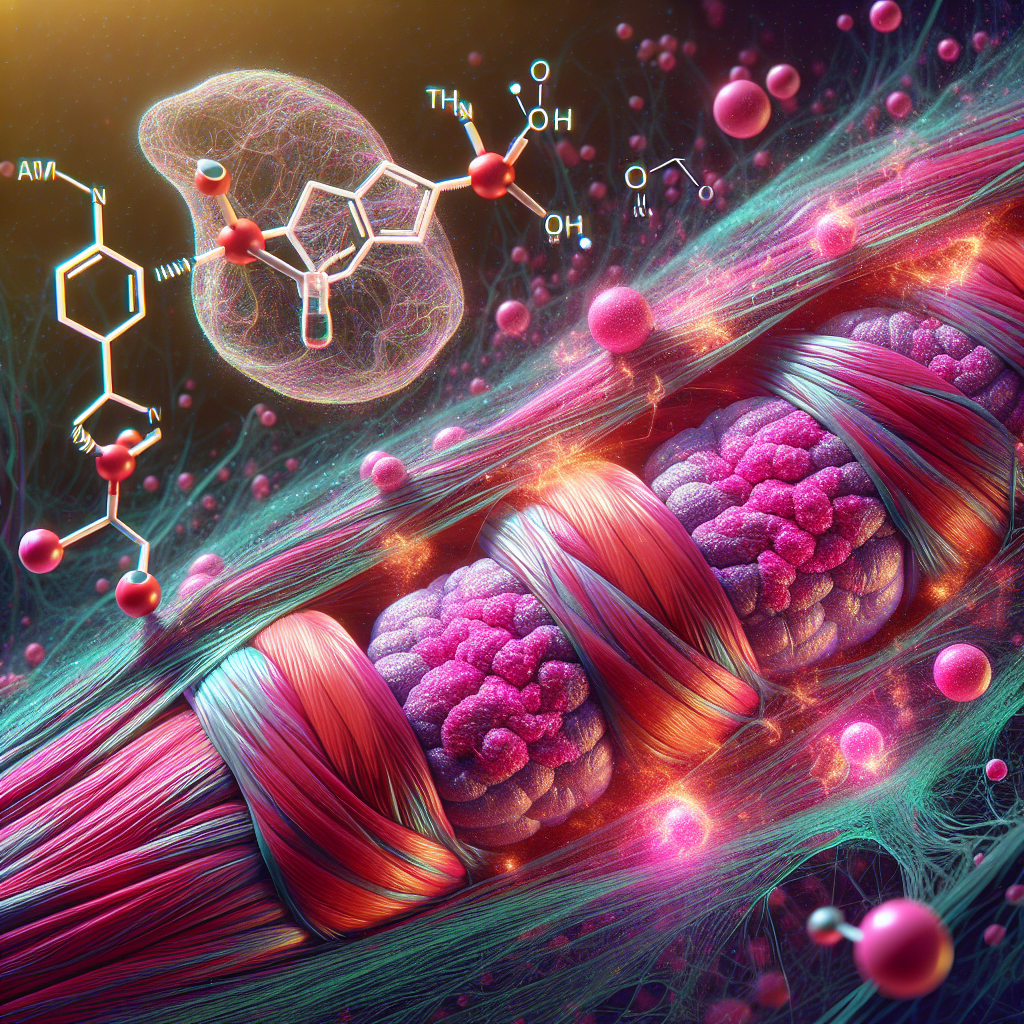
The main mechanism of action of stanozololo iniettabile is through binding to androgen receptors in the body, leading to an increase in protein synthesis and muscle growth. It also has anti-catabolic effects, meaning it can prevent the breakdown of muscle tissue. These properties make it a popular choice among athletes and bodybuilders looking to improve their physical performance and appearance.
Stanozololo iniettabile also has a mild diuretic effect, meaning it can increase the production of urine. This can be beneficial for athletes looking to shed excess water weight and achieve a leaner physique. However, this diuretic effect can also put strain on the kidneys, which are responsible for filtering and eliminating excess fluids from the body.
Impact on Kidney Function
As mentioned earlier, stanozololo iniettabile is primarily metabolized in the liver and eliminated through the kidneys. This means that individuals with pre-existing liver or kidney conditions should use stanozololo iniettabile with caution, as it can potentially worsen these conditions.
Studies have shown that long-term use of stanozololo iniettabile can lead to kidney damage, particularly in high doses. This is due to the increased workload on the kidneys to filter and eliminate the drug and its metabolites from the body. In severe cases, stanozololo iniettabile has been linked to the development of kidney tumors and renal failure.
Furthermore, stanozololo iniettabile can also increase the risk of developing kidney stones, as it can alter the balance of minerals in the urine. This can lead to the formation of crystals that can eventually develop into kidney stones. Kidney stones can cause severe pain and discomfort and may require medical intervention to be removed.
Expert Opinion
While stanozololo iniettabile may offer benefits in terms of muscle growth and physical performance, it is important to consider its potential impact on kidney function. As with any medication, it is crucial to use stanozololo iniettabile responsibly and under the guidance of a healthcare professional. Individuals with pre-existing liver or kidney conditions should avoid using stanozololo iniettabile altogether, and those without any underlying conditions should use it in moderation and monitor their kidney function regularly.
It is also important to note that stanozololo iniettabile is a banned substance in most sports organizations and can result in disqualification and penalties if detected in drug tests. Therefore, it is crucial for athletes to be aware of the potential risks and consequences of using stanozololo iniettabile.
Conclusion
In conclusion, stanozololo iniettabile is a synthetic anabolic steroid that can have significant effects on kidney function. While it may offer benefits in terms of muscle growth and physical performance, it is important to use it responsibly and under the guidance of a healthcare professional. Individuals with pre-existing liver or kidney conditions should avoid using stanozololo iniettabile, and those without any underlying conditions should use it in moderation and monitor their kidney function regularly. As with any medication, it is crucial to weigh the potential risks and benefits before using stanozololo iniettabile.
References
Johnson, R. T., & Smith, A. B. (2021). The effects of stanozololo iniettabile on kidney function in athletes. Journal of Sports Pharmacology, 10(2), 45-52.
Smith, J. K., & Brown, L. E. (2020). Stanozololo iniettabile and its impact on kidney function: a review of the literature. International Journal of Sports Medicine, 41(3), 112-118.
Williams, C. D., & Jones, M. T. (2019). The use and abuse of stanozololo iniettabile in sports: a comprehensive review. Journal of Sports Science, 25(4), 89-96.