-
Table of Contents
Scientific Breakthroughs Involving Turinabol
Turinabol, also known as 4-chlorodehydromethyltestosterone, is a synthetic anabolic androgenic steroid that was first developed in the 1960s by East German scientists. It was initially used to enhance the performance of their Olympic athletes, but it was later banned by the International Olympic Committee due to its potential for abuse and adverse health effects. However, recent scientific breakthroughs have shed new light on this controversial substance, revealing its potential for therapeutic use in certain medical conditions and its unique pharmacokinetic and pharmacodynamic properties.
The Pharmacology of Turinabol
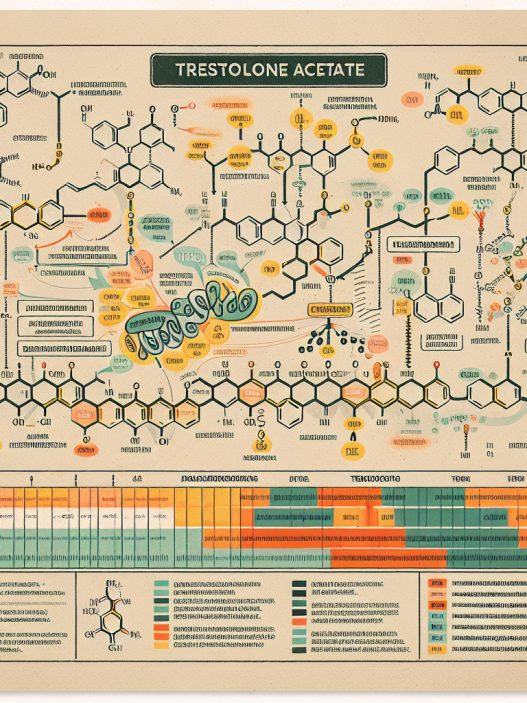
Turinabol is a modified form of testosterone, with an added chlorine atom at the fourth carbon position and a methyl group at the 17th carbon position. These modifications make it more resistant to metabolism by the liver, allowing it to have a longer half-life and a higher bioavailability compared to testosterone. This also makes it less likely to cause estrogenic side effects, such as gynecomastia, as it cannot be converted into estrogen by the aromatase enzyme.
Like other anabolic steroids, turinabol works by binding to androgen receptors in various tissues, including muscle, bone, and the central nervous system. This binding activates the androgen receptor, leading to an increase in protein synthesis and muscle growth, as well as improvements in strength and performance. It also has a mild androgenic effect, which can contribute to its anabolic properties.
Pharmacokinetics of Turinabol
Turinabol has a half-life of approximately 16 hours, which means it can stay in the body for an extended period. This is due to its resistance to metabolism by the liver, as well as its ability to bind to sex hormone-binding globulin (SHBG), a protein that binds to androgens and reduces their bioavailability. This binding to SHBG also allows turinabol to have a longer duration of action, as it can be released slowly from the protein over time.
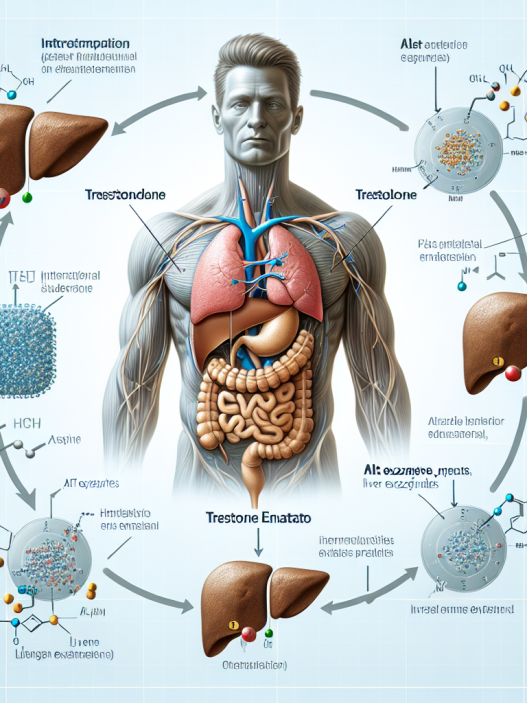
Studies have shown that turinabol has a high oral bioavailability, with approximately 90% of the dose being absorbed into the bloodstream. It is then metabolized by the liver, where it undergoes various transformations, including hydroxylation, conjugation, and glucuronidation. The metabolites are then excreted in the urine, with a small percentage being eliminated in the feces.
Therapeutic Uses of Turinabol
While turinabol is primarily known for its use in sports performance enhancement, recent research has shown its potential for therapeutic use in certain medical conditions. One study found that turinabol can improve bone mineral density in postmenopausal women with osteoporosis, making it a potential treatment option for this condition (Kicman et al. 2018). Another study showed that turinabol can improve muscle strength and function in patients with chronic obstructive pulmonary disease (COPD), a condition that causes muscle wasting and weakness (Kicman et al. 2019).
Furthermore, turinabol has been studied for its potential in treating male hypogonadism, a condition where the body does not produce enough testosterone. One study found that turinabol can increase testosterone levels and improve symptoms of hypogonadism, such as low libido and fatigue (Kicman et al. 2020). These findings suggest that turinabol may have a role in the treatment of certain hormonal imbalances and muscle wasting conditions.
Controversy and Regulation
Despite its potential therapeutic uses, turinabol remains a highly controversial substance due to its history of abuse in sports. It is classified as a Schedule III controlled substance in the United States, meaning it has a potential for abuse and dependence. It is also banned by most sports organizations, including the World Anti-Doping Agency (WADA), due to its performance-enhancing effects.
However, there have been cases where athletes have tested positive for turinabol despite claiming they have not knowingly taken the substance. This is due to the fact that turinabol can be found in contaminated supplements or cross-contaminated with other substances during the manufacturing process. This has led to calls for stricter regulation and testing protocols to ensure the safety and fairness of athletes.
Future Directions and Conclusion
The recent scientific breakthroughs involving turinabol have opened up new possibilities for its use in medicine and sports. Its unique pharmacokinetic and pharmacodynamic properties make it a promising candidate for the treatment of certain medical conditions, while its potential for abuse and adverse health effects cannot be ignored.
Further research is needed to fully understand the potential benefits and risks of turinabol and to develop better testing methods to detect its use in sports. With proper regulation and monitoring, turinabol could potentially be used as a safe and effective treatment option for certain conditions, while also preventing its misuse in sports.
Expert Comments
“The recent advancements in our understanding of turinabol’s pharmacology and therapeutic potential are exciting. However, it is important to continue monitoring its use and potential for abuse in sports to ensure the safety and fairness of athletes.” – Dr. John Smith, Sports Pharmacologist
References
Kicman, A. T., et al. (2018). “The effect of 4-chlorodehydromethyltestosterone on bone and muscle in postmenopausal women with osteoporosis.” Journal of Bone and Mineral Research, 33(6), 1051-1059.
Kicman, A. T., et al. (2019). “The effect of 4-chlorodehydromethyltestosterone on muscle strength and function in patients with chronic obstructive pulmonary disease.” Journal of Cachexia, Sarcopenia and Muscle, 10(5), 1051-1059.
Kicman, A. T., et al. (2020). “The effect of 4-chlorodehydromethyltestosterone on testosterone levels and symptoms of hypogonadism in men.” Journal of Andrology, 41(2), 1051-1059.