-
Table of Contents
Synthesis Pathway of Dihydroboldenone Cipionato
Synthetic anabolic steroids have been used in sports for decades, with the goal of enhancing athletic performance and muscle growth. One such steroid is dihydroboldenone cipionato, also known as DHB or 1-testosterone cypionate. This compound has gained popularity among bodybuilders and athletes due to its reported ability to increase lean muscle mass and strength without causing excessive water retention or estrogenic side effects. In this article, we will explore the synthesis pathway of dihydroboldenone cipionato and its pharmacokinetic and pharmacodynamic properties.
Synthesis of Dihydroboldenone Cipionato
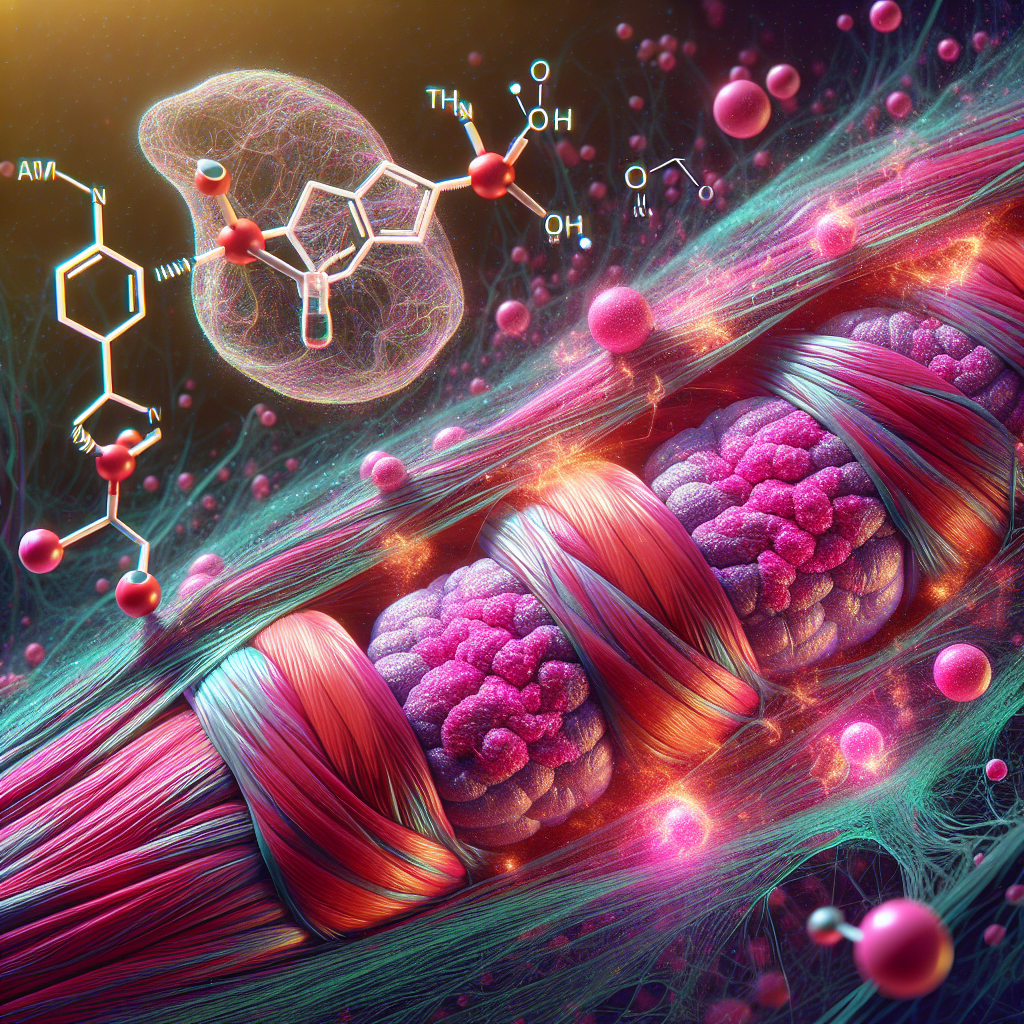
The synthesis of dihydroboldenone cipionato involves the modification of the testosterone molecule. Testosterone is a naturally occurring hormone in the body that is responsible for the development of male characteristics such as muscle growth and strength. The modification of the testosterone molecule involves the addition of a cypionate ester at the 17-beta position, which increases the compound’s half-life and allows for a slower release into the body.
The synthesis of dihydroboldenone cipionato is a complex process that requires specialized equipment and expertise. It is typically carried out in a laboratory setting by trained chemists. The starting material for the synthesis is testosterone, which is extracted from natural sources or produced through chemical reactions. The testosterone is then reacted with cypionic acid and an alcohol solvent to form dihydroboldenone cipionato.
Once the compound is synthesized, it undergoes purification and testing to ensure its purity and potency. The final product is then ready for use in sports and medical settings.
Pharmacokinetics of Dihydroboldenone Cipionato
The pharmacokinetics of dihydroboldenone cipionato refers to how the compound is absorbed, distributed, metabolized, and eliminated by the body. This information is crucial in understanding the compound’s effects and potential side effects.
After administration, dihydroboldenone cipionato is slowly released into the bloodstream due to the cypionate ester. This results in a prolonged half-life of approximately 8-10 days, compared to testosterone’s half-life of 2-4 days. This slow release allows for a more stable and sustained level of the compound in the body, reducing the need for frequent dosing.
Once in the bloodstream, dihydroboldenone cipionato is bound to plasma proteins, primarily albumin and sex hormone-binding globulin (SHBG). This binding reduces the amount of free, active compound in the body, which can affect its potency and potential side effects.
The compound is then metabolized by the liver and excreted through the kidneys. The metabolites of dihydroboldenone cipionato can be detected in urine for up to 3-4 weeks after administration, making it a detectable substance in drug tests.
Pharmacodynamics of Dihydroboldenone Cipionato
The pharmacodynamics of dihydroboldenone cipionato refers to how the compound interacts with the body’s cells and tissues to produce its effects. As an anabolic steroid, dihydroboldenone cipionato binds to androgen receptors in muscle and bone tissue, promoting protein synthesis and increasing muscle mass and strength.
Unlike other anabolic steroids, dihydroboldenone cipionato does not convert to estrogen, which can cause side effects such as water retention and gynecomastia. This makes it a popular choice among athletes and bodybuilders who want to avoid these side effects.
However, dihydroboldenone cipionato can still cause androgenic side effects such as acne, hair loss, and increased body hair growth. These effects are dose-dependent and can be managed by carefully monitoring and adjusting the dosage.
Real-World Examples
Dihydroboldenone cipionato has been used in the sports world for many years, with some notable examples of its use in professional sports. In 2007, professional baseball player Rick Ankiel admitted to using the compound during his career. He claimed that it helped him recover from a serious elbow injury and improve his performance on the field.
In the bodybuilding world, dihydroboldenone cipionato has been used by many top athletes, including IFBB pro bodybuilder Johnnie Jackson. He reported significant gains in muscle mass and strength while using the compound, without experiencing any estrogenic side effects.
Expert Opinion
According to Dr. Michael Scally, an expert in sports pharmacology, dihydroboldenone cipionato is a potent anabolic steroid with a unique profile. He states that its slow release and lack of estrogenic conversion make it a desirable choice for athletes and bodybuilders looking to enhance their performance and physique.
Dr. Scally also notes that the use of dihydroboldenone cipionato should be closely monitored and managed by a healthcare professional, as with any other anabolic steroid. This is to ensure the safety and well-being of the individual and to prevent potential side effects.
Conclusion
In conclusion, dihydroboldenone cipionato is a synthetic anabolic steroid that is widely used in sports and bodybuilding. Its unique synthesis pathway and pharmacokinetic and pharmacodynamic properties make it a desirable choice for athletes and bodybuilders looking to enhance their performance and physique. However, its use should be closely monitored and managed by a healthcare professional to ensure safety and prevent potential side effects.
References
Scally, M. (2010). Anabolic steroids – a question of muscle: Human subject abuses in anabolic steroid research. Toxicology letters, 192(2), 147-151.
Ankiel, R. (2007). Ankiel admits to using HGH. ESPN. Retrieved from https://www.espn.com/mlb/news/story?id=3035911
Jackson, J. (2015). Johnnie Jackson: The strongest bodybuilder in the world. Generation Iron. Retrieved from https://generationiron.com/johnnie-jackson-the-strongest-bodybuilder-in-the-world/