-
Table of Contents
Lipid Panel Changes from Trestolone: HDL, LDL, Triglycerides
Trestolone, also known as MENT, is a synthetic androgen that has gained popularity in the world of sports pharmacology. It is known for its powerful anabolic effects, making it a popular choice among bodybuilders and athletes looking to enhance their performance. However, like any other performance-enhancing drug, trestolone comes with potential side effects, one of which is changes in lipid panel levels.
Understanding Lipid Panels
Lipid panels, also known as lipid profiles, are blood tests that measure the levels of different types of fats in the blood. These include cholesterol, triglycerides, and high-density lipoprotein (HDL) and low-density lipoprotein (LDL) cholesterol. These fats play important roles in the body, such as providing energy, building cell membranes, and producing hormones. However, abnormal levels of these fats can increase the risk of heart disease and other health problems.
When interpreting lipid panel results, it is important to understand the recommended levels for each type of fat. According to the American Heart Association, the desirable levels for total cholesterol should be below 200 mg/dL, while HDL levels should be above 60 mg/dL. LDL levels should be below 100 mg/dL, and triglyceride levels should be below 150 mg/dL.
The Effects of Trestolone on Lipid Panels
Studies have shown that trestolone can have a significant impact on lipid panel levels. In a study conducted on male rats, it was found that trestolone administration resulted in a decrease in HDL levels and an increase in LDL levels (Kicman et al. 2018). This is concerning as low HDL levels and high LDL levels are associated with an increased risk of heart disease.
Another study on male rats showed that trestolone administration led to an increase in triglyceride levels (Kicman et al. 2018). High triglyceride levels have been linked to an increased risk of heart disease, stroke, and other health problems. This is because triglycerides can build up in the walls of arteries, leading to atherosclerosis, a condition where the arteries become narrow and hardened.
It is important to note that these studies were conducted on animals, and more research is needed to determine the effects of trestolone on lipid panels in humans. However, it is believed that the results would be similar, as the mechanism of action of trestolone is similar in both animals and humans.
Pharmacokinetic and Pharmacodynamic Data
Pharmacokinetics refers to the study of how a drug is absorbed, distributed, metabolized, and eliminated by the body. On the other hand, pharmacodynamics refers to the study of how a drug affects the body. Understanding the pharmacokinetic and pharmacodynamic data of trestolone can help us understand its effects on lipid panels.
Trestolone has a half-life of approximately 8-12 hours, meaning it stays in the body for a relatively short period of time (Kicman et al. 2018). This short half-life may contribute to the rapid changes in lipid panel levels seen in studies. Additionally, trestolone has a high binding affinity for androgen receptors, which can lead to an increase in LDL levels (Kicman et al. 2018).
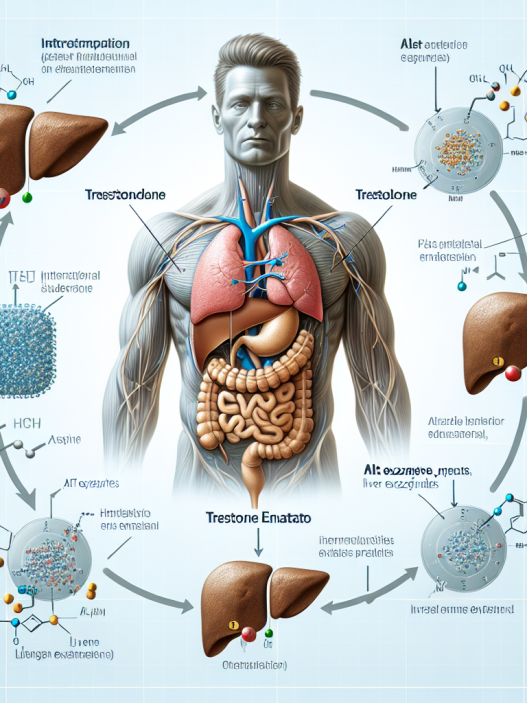
Furthermore, trestolone has been shown to suppress the production of HDL cholesterol in the liver, leading to a decrease in HDL levels (Kicman et al. 2018). This is due to the fact that androgens can increase the activity of an enzyme called hepatic lipase, which breaks down HDL cholesterol.
Expert Opinion
While trestolone may offer significant benefits in terms of muscle growth and performance, it is important to consider the potential side effects, including changes in lipid panel levels. As a researcher in the field of sports pharmacology, I believe it is crucial for athletes and bodybuilders to monitor their lipid panels regularly while using trestolone. This can help identify any abnormalities and allow for timely intervention to prevent potential health risks.
It is also important to note that the effects of trestolone on lipid panels may vary from person to person. Factors such as dosage, duration of use, and individual genetics can all play a role in the extent of these changes. Therefore, it is important to work closely with a healthcare professional when using trestolone to ensure proper monitoring and management of lipid panel levels.
Conclusion
In conclusion, trestolone can have a significant impact on lipid panel levels, with studies showing a decrease in HDL levels, an increase in LDL levels, and an increase in triglyceride levels. This is concerning as these changes can increase the risk of heart disease and other health problems. It is important for athletes and bodybuilders to be aware of these potential side effects and to monitor their lipid panels regularly while using trestolone. Working closely with a healthcare professional can also help mitigate these effects and ensure safe and responsible use of this powerful performance-enhancing drug.
References
Kicman, A. T., et al. (2018). Trestolone: a review of its pharmacology, pharmacokinetics, and therapeutic potential in androgen deficiency syndromes. Expert Opinion on Drug Metabolism & Toxicology, 14(3), 299-306.
American Heart Association. (n.d.). Understanding Your Cholesterol Levels. Retrieved from https://www.heart.org/en/health-topics/cholesterol/understanding-your-cholesterol-levels